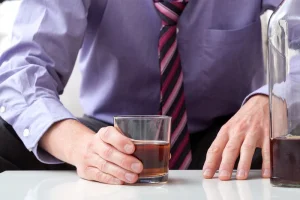
Heavy alcohol consumption causes changes in brain chemistry, slowing brain activity and reducing energy levels. To overcome the sedative effect of alcohol, the brain responds by increasing nerve activity to keep the body in a heightened state of alertness. When the intake of alcohol suddenly ceases, the brain continues to deliver increased nerve activity, leading to tremors, anxiety, https://ecosoberhouse.com/article/how-to-stop-alcohol-cravings/ hyperactivity, and other withdrawal symptoms. Uncontrollable shaking, usually in the hands, is a common sign of alcohol withdrawal. The shakes also called tremors can begin 6-10 hours after the last drink, and tend to be the most pronounced from the last alcohol consumption.
Alcohol withdrawal symptoms are often more severe for individuals diagnosed with AUD. In extreme cases, withdrawal can lead to delirium tremens or seizures, both of which require immediate medical attention. During detox, you will learn to overcome your cravings and better manage the withdrawal symptoms that ensue. It is here that providers will determine what if any medications you need to assist you in this process. What you eat and drink can also make a big difference in how your body copes with alcohol withdrawal.
Join us for evidence-based guidelines, expert tips, and resources for a new life. The Reframe app equips you with the knowledge and skills you need to not only survive drinking less, but to thrive while you navigate the journey. Our daily research-backed readings teach you the neuroscience of alcohol, and our in-app Toolkit provides the resources and activities you need to navigate each challenge. For those struggling with drug and alcohol addiction, there’s a temptation to give up cold turkey…

Alcohol misuse is commonly determined by 1 daily glass for women and 2 daily glasses for men. Binge drinking is recognized as consuming more than 5 drinks in a single sitting. If you’re wondering how to stop the shakes from alcohol, it’s important to recognize that self-detox can be dangerous. Managing withdrawal symptoms without medical supervision increases the risk of complications. Seeking care at a professional drug and alcohol treatment center, like Legacy Healing Center, provides a safe and supportive environment for recovery. Dealing with alcohol shakes can be a challenging and uncomfortable experience, but there are practical strategies that can help manage and alleviate these symptoms.


At Legacy Healing Center, we offer comprehensive addiction therapy programs to help individuals overcome substance abuse and withdrawal symptoms like alcoholic shakes. With a compassionate approach, our center for alcohol and drug treatment combines medical care, counseling, and aftercare planning to support long-term recovery. Proper hydration plays a vital role in managing alcohol shakes and withdrawal symptoms effectively. Drinking ample water aids in eliminating toxins from the body, which can alleviate the intensity of alcohol shakes. Try to drink electrolyte-rich beverages like sports drinks to replenish essential minerals that may be depleted due to alcohol consumption. Monitoring the color of your urine can be a useful indicator of hydration levels; a light yellow color indicates adequate hydration.

Long-term alcohol addiction may also cause brain damage, which can contribute to a noticeable tremor. In severe cases, liver damage from alcohol misuse can lead to a specific type of tremor known as asterixis. It’s important to seek medical attention if experiencing alcohol withdrawal, as symptoms can range from mild to life-threatening, and appropriate treatment is vital for safety and recovery. Additionally, adopting healthy habits, maintaining a balanced diet, staying hydrated, and engaging in regular exercise can aid in preventing alcohol withdrawal shakes. By prioritizing self-care and seeking appropriate support, individuals can reduce the risk of experiencing these symptoms and improve their overall well-being in their quest for sobriety. Alcohol withdrawal shakes are how to stop alcohol shakes a common symptom of alcohol withdrawal and are caused by changes in the body’s neurotransmitters, dehydration, and imbalances in electrolytes.

They typically occur within hours of a person’s last drink and can last for several days. The shakes are involuntary and can affect various parts of the body, including the hands, arms, legs, and head. In this blog, we will explore why people experience shaking after drinking, some practical tips for dealing with tremors and when to seek medical help. Alcohol has a dehydrating effect drug addiction treatment on our body, and this dehydration can worsen withdrawal symptoms like tremors.
